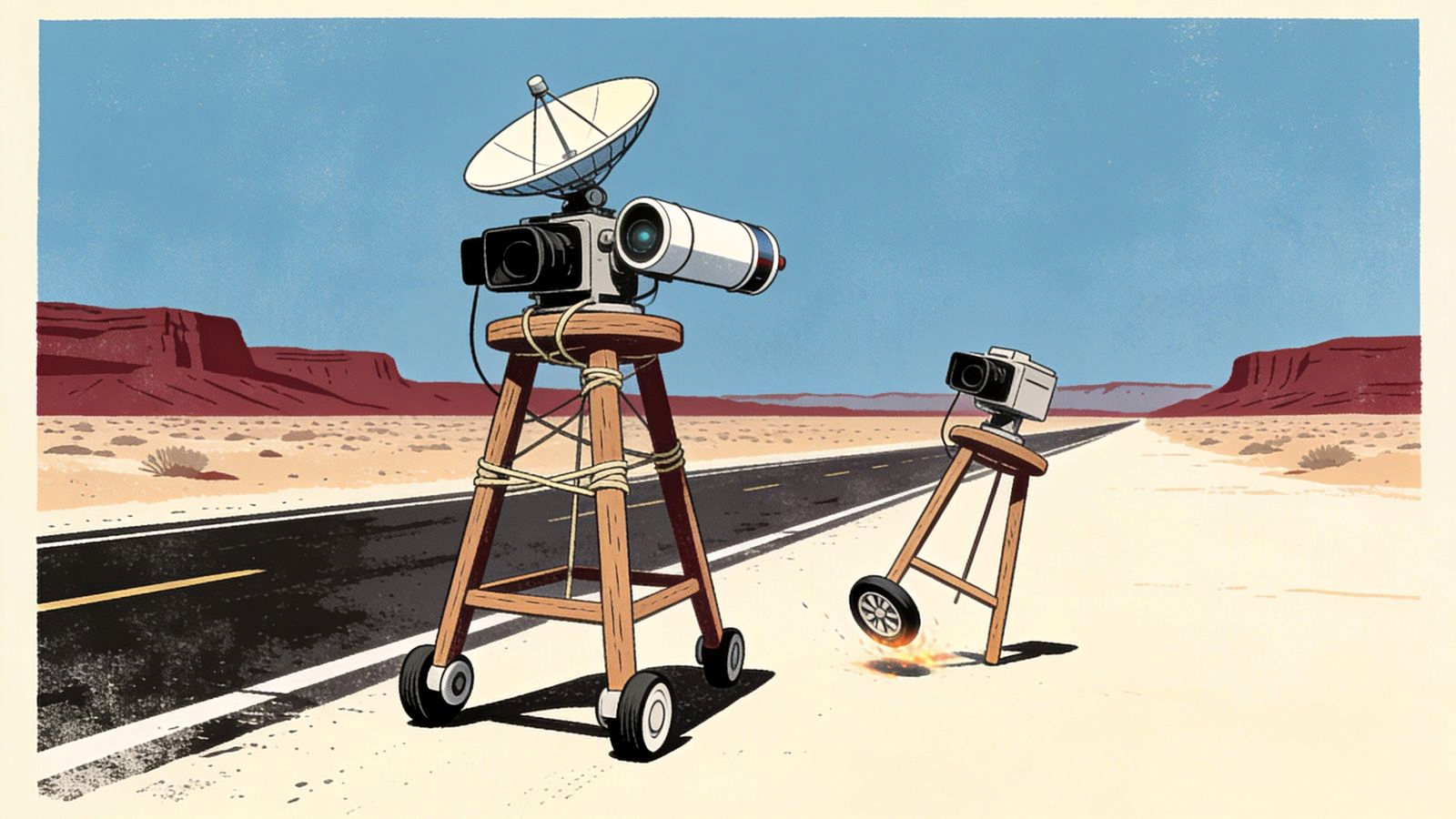
Waymo escalated the technical and commercial rivalry with Tesla over robotaxi architecture, arguing in a blog post last week that fully autonomous vehicles cannot operate safely at scale without a combination of cameras, lidar, and radar1,2. The Alphabet Inc.-owned company warned that pure end-to-end AI systems that take in raw pixels and directly output steering commands risk "black box failures" and that "even the best AI models with trillions of parameters still hallucinate". Though Waymo did not name Tesla, both sources describe the comments as an apparent challenge to the camera-only approach used by Tesla.
The timing is pointed. Tesla is expected to formally introduce the two-seat Cybercab, a purpose-built autonomous vehicle with no steering wheel or pedals, at a September 3 event. Tesla has begun registering Cybercabs with the Texas DMV ahead of that date. A recent filing indicates a production target of more than 125,000 Cybercabs annually.
Waymo's driving software VP Srikanth Thirumalai wrote that cameras alone are insufficient for full autonomy, citing more than 200 million real-world autonomous miles as evidence that multi-sensor redundancy is necessary. The Waymo Driver combines inputs from cameras, lidar, and radar to give vehicles overlapping views of their surroundings that a single sensor type cannot provide, the company said.
Waymo simultaneously announced three new markets on Tuesday, extending a commercial robotaxi operation that now serves customers in more than a dozen U.S. cities with roughly 4,000 vehicles and approximately 500,000 paid trips per week.
Tesla, which has rejected lidar and relies primarily on cameras and AI, has spent the past year trialing its own robotaxi network in a small number of Texas and Florida markets using modified Model Y SUVs. Tesla has only recently begun removing safety monitors from most of those vehicles. Dozens of Cybercabs have reportedly been spotted in parking areas around the United States.
The blog post and a parallel interview with Axios triggered a social media fight that lasted through the weekend. Pierre Ferragu, an analyst and managing partner at New Street Research who covers Tesla, accused Waymo of falling into incumbent rhetoric. "My read: Waymo built a driving gas plant that AI at scale makes irrelevant, and now falls into incumbent rhetoric. Innovator dilemma 101," Ferragu wrote on X. Waymo spokesperson Ethan Teicher responded by sharing a John Wick promotional image depicting guns pointed at Keanu Reeves's character, writing that the company's position is grounded in its driverless mileage, AI interpretability, and multi-sensor architecture.
Tesla previously predicted it would have one million robotaxis operating by 2020.
ANALYSIS The dispute has moved beyond a technical argument over sensor suites into a direct commercial contest, with Waymo expanding its city footprint in the same week Tesla prepares to put a dedicated robotaxi vehicle into production.